The Traditional Clothing Brand Blending Culture With Cool
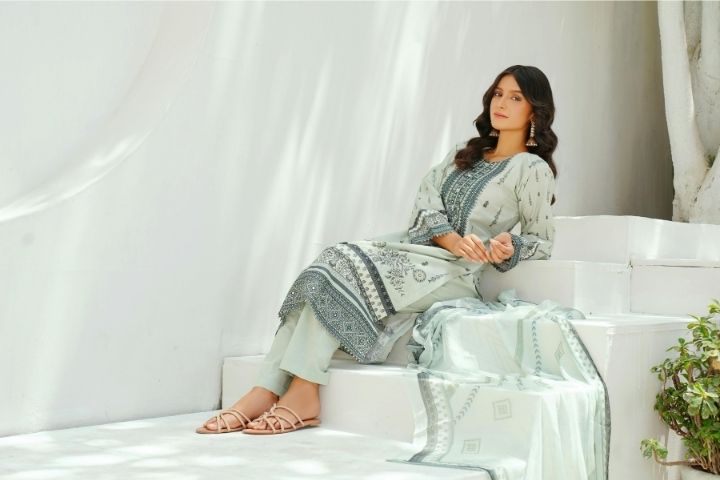
Introduction: When Traditional Clothing Decides to Be Trendy (And Absolutely Nails It)
Once upon a time—not that long ago, honestly—Traditional Clothing was unfairly boxed into the category of “special occasions only.” You know the drill: weddings, festivals, family functions where at least one aunt comments on your life choices. Meanwhile, everyday fashion leaned heavily toward fast trends, neutral palettes, and silhouettes that screamed convenience over character. But something interesting happened. A new wave of traditional clothing brands stepped onto the scene and said, “Why can’t culture be cool every day?” And just like that, heritage fashion had a glow-up. This shift didn’t happen overnight; it was born from a deeper cultural awakening where people began craving authenticity, storytelling, and meaning in what they wear. Clothing stopped being just fabric stitched together and started becoming a conversation starter, a cultural statement, and occasionally, a gentle rebellion against cookie-cutter fashion.
What makes a traditional clothing brand stand out today isn’t just its ability to preserve heritage but its talent for reimagining tradition for modern lifestyles. Think handwoven fabrics paired with contemporary cuts, age-old embroidery techniques used on relaxed silhouettes, and classic motifs popping up on outfits you’d happily wear to brunch, work, or a casual evening out. This blend of old and new creates fashion that feels rooted yet refreshing. Real-life example? Picture someone wearing a traditional handloom jacket over jeans and sneakers. It turns heads—not because it’s loud, but because it tells a story. People notice. People ask questions. And just like that, culture becomes cool without trying too hard.
From an E-E-A-T (Expertise, Experience, Authority, Trustworthiness) perspective, Hiba’s boutique brands thrive because they do their homework. They collaborate with artisans, respect cultural origins, and communicate transparently with their audience. They don’t just sell outfits; they sell values. Customers trust them because they feel the experience—knowing who made their clothes, how they were made, and why they matter. And let’s be honest, wearing something that connects you to your roots while still earning compliments from strangers? That’s a fashion win if there ever was one.
Modern Silhouettes, Timeless Stories: How Cool Meets Cultural
Here’s where the magic really happens: the point where traditional craftsmanship meets modern design sensibility. This is where traditional clothing brands truly shine. They understand that while people love culture, they also love comfort, versatility, and outfits that fit seamlessly into contemporary lifestyles. So, instead of rigid silhouettes or overly ornate designs, these brands introduce relaxed fits, functional details, and styling flexibility—all while keeping cultural elements intact. The result? Clothing that feels familiar yet exciting, rooted yet rebellious.
Imagine a hand-embroidered kurta designed with clean lines and subtle detailing, paired effortlessly with trousers or denim. Or a traditional textile transformed into a co-ord set that works just as well for a creative office as it does for a weekend getaway. These aren’t hypothetical examples; they’re real-life fashion choices people make every day. And that’s the genius of blending culture with cool—it doesn’t ask you to choose between tradition and trend. You get both.
Sustainability, Artisans, and Ethical Fashion: Cool With a Conscience
In today’s fashion landscape, being cool isn’t just about how you look—it’s about how your clothes are made. Traditional clothing brands blending culture with cool often lead the way in sustainable and ethical fashion. Why? Because traditional practices were sustainable long before sustainability became a buzzword. Natural fabrics, hand processes, minimal waste, and local sourcing were always part of the system. Modern brands simply revive and refine these practices for today’s conscious consumer.
Why Culture-Forward Fashion Is the Future (Spoiler: It’s Already Here)
Culture-forward fashion isn’t a passing trend; it’s a movement that’s gaining momentum with every conscious purchase. As global fashion becomes increasingly homogenized, people crave individuality—and culture offers exactly that. Traditional clothing brands blending culture with cool tap into this desire by offering something unique, personal, and rooted in identity. Wearing such clothing becomes an act of self-expression, a way to say, “This is where I come from, and this is who I am.”
Younger generations, in particular, are driving this shift. They’re proud of their heritage but unwilling to compromise on style. They want outfits that reflect their values, creativity, and global outlook. And brands that understand this mindset thrive. They don’t preach tradition; they celebrate it—effortlessly, stylishly, and with a wink of modern flair. In short, culture-forward fashion isn’t trying to be cool. It simply is.